
Solar power is becoming a popular choice for homeowners to reduce their electricity bill and utilise a clean energy source. Choosing the right set up and equipment and installing it correctly is paramount.
A solar power plant in your home will need a few stages:
Designing the system. Choosing the right inverter. Installing the electrical components. Testing and commissioning.
A 3KW power plant can be the perfect system for many homes. This depends on how much you use your electricity, amount of rooftop space and the solar potential in your area. The enPrimo 3kW Inverter is ideal for residential solar applications.
Below we will guide you through the entire process of setting up a residential solar power plant.
1. Residential Solar Power Plant
A residential solar power plant takes sunlight and produces electricity. This electricity can be used to run the many electrical items in your home.
Typically a residential solar power plant will consist of:
Solar PV Panels Mounting Solar DC Cables Residential Inverter AC Distribution Grounding & Protection Net Metering (if applicable).
Solar panels produce a DC supply. This is then converted to an AC supply by the inverter. This can then be used to run all the electrical items in your home.
A 3KW solar system can be a great way of using your roof space better, however the right size should be chosen based on your energy usage.
2. Inspection
The first thing you should do prior to installation is to inspect the roof space.
This will help you determine if a solar system is suitable and how much electricity you can expect to generate.
Key things to consider:
Amount of shadow free roof space Orientation of roof and solar panels Can there be any shading from trees or surrounding buildings? Will the roof be strong enough for solar panels? How much sun does your area get? Are there any weather issues or dust issues? Will it be easy to access for installation?
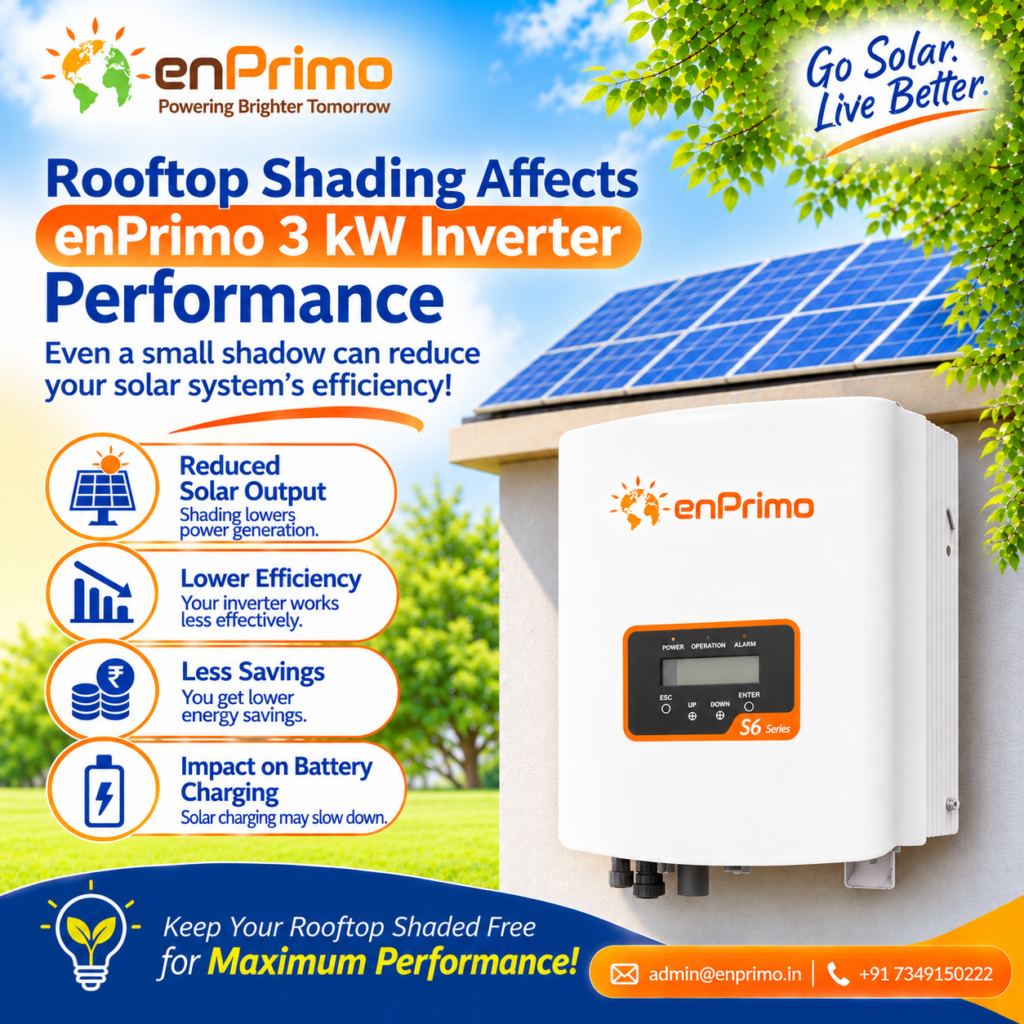
Residential solar installations will require the solar panels to be placed correctly. If there is too much shading it can reduce the electricity you generate.
A full inspection will help the installer to determine how many solar panels they will need, how to mount them and what inverter size will be suitable.
3. Design
Now you have completed the inspection, you can design your solar system.
This should be done based on your electricity usage and equipment spec.
Typically engineers will look at the following when designing a residential 3KW solar power installation.
Solar panel size – Based on the size of the system and available roof space. Inverter size – Must be suitable for your solar array and electrical needs. DC Strings – Solar panels will be wired in strings to suit the maximum voltage and current of the inverter. Mounting – Must be suitable to hold solar panels and withstand the relevant winds. Cabling – Correct sized DC and AC cables will help reduce any losses.
By designing the system well, it can make the installation easier and less compatibility issues.
4. Choosing A Residential Inverter
The inverter is a very important part of your residential solar power plant. It will convert the DC electricity from your solar panels to an AC supply.
Choosing the right residential inverter is key to make sure your system is compatible.
Before choosing an inverter you should look at;
Rated AC Output Voltage Max DC Input Voltage Input Current MPPT Configuration Efficiency Temperature Range Protection Monitoring Options
For a 3KW On Grid installation, the enPrimo 3kW Inverter would be a great choice.
This residential inverter includes an LCD screen, low start up voltage and DC connections. It has a max efficiency of 97.1%.
These features will make it easier to monitor your system and convert solar energy efficiently. Remember to choose the correct equipment based on your electrical design and manufacturers specs.
5. Solar Panel & Inverter Installation
Once you have completed your design and chosen your equipment it is time to install.
You will install the mounting, solar panels and place them in the correct layout.
Once completed you can install the DC cabling.
Ensure the following:
Solar panels are correctly mounted. DC connectors are connected correctly. Polarity is correct. Cabling is protected. Inverter is mounted in a suitable location. There is sufficient ventilation. Electrical connections are in line with the design.
The Enprimo 3kW Inverter should be installed following the manufacturers instructions. This includes the required mounting clearance and environmental requirements.
Correct installation can help to reduce any avoidable faults and make maintenance easier.
6. Electrical Checks
Prior to starting your residential solar power plant you should ensure electrical safety.
Check the DC and AC connections.
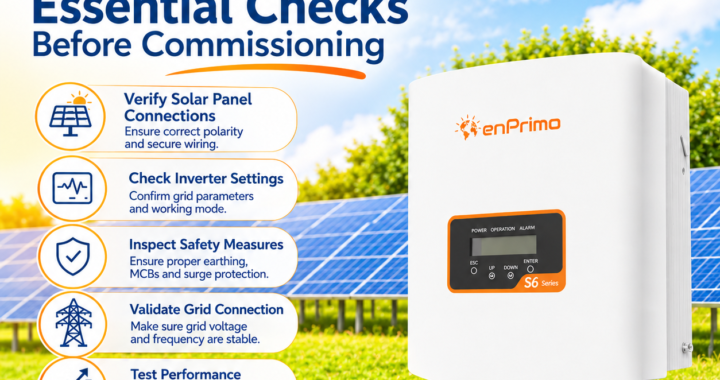
DC Connection: Ensure polarity is correct, open circuit voltage, connectors are good and cables are correctly connected. AC Connection: Ensure phases, neutral and grounding are correct. Cables have correct sizing and protection. Grounding: Ensure you have correct protection grounding. Surge Protection: Ensure you have the correct surge protection & isolation. Grid: Ensure grid voltage and frequency is within the inverter specification.
These checks should be carried out by a qualified electrician with the correct test equipment.
7. Testing & Commissioning
Commissioning is the final stage of your solar power plant. It helps to ensure everything has been installed correctly.
When using the enPrimo 3KW Inverter you should;
1. Check solar panels & mounting.
2. Ensure DC cables are connected and correct polarity.
3. Check voltage on solar strings.
4. Check insulation resistance.
5. Check AC connections & grounding.
6. Check inverter set-up.
7. Ensure grid voltage & frequency is correct.
8. Check grid synchronisation & anti-islanding.
9. Check inverter screen.
10. Take initial readings.
Follow the manufacturers recommendations to start the inverter.
Investigate any faults or warnings. Once resolved, approve for normal operation.
Complete the required DISCOM approvals, inspections and metering.
8. Maintenance
It is important to monitor your solar power plant. This will help you keep your system performing well.
Periodically check;
How much electricity is being generated. Inverter status.
Basic maintenance includes;
Keeping solar panels clean where required. Checking cables. Checking inverter status. Keeping track of how much electricity is being generated daily. Checking mounting. Checking grounding & protection.
Having an LCD screen on your residential inverter will help you easily view key information.
Regularly checking will help you identify any unexpected drops in generation and any issues with your equipment.
Conclusion
Creating a residential solar power plant can be done by planning it well, choosing the correct equipment and ensuring it is installed well. From inspecting your roof, designing your system, choosing the right inverter, installing the electrical components, testing and commissioning all play an important role.
Choosing the correct inverter is also important. The Enprimo 3KW Inverter includes many residential features such as an LCD screen, low start up voltage, DC connections and max efficiency of 97.1%. This can be a great option for a compatible residential 3KW On Grid installation.
By installing your system correctly, commissioning your system and keeping it maintained you can make the most of your solar energy and create a more reliable and sustainable electricity source.
FAQs
1. What Is A Residential Solar Power Plant?
A residential solar power plant is an installation on your roof. It converts sunlight into electricity. Typically, a residential solar power plant will include solar panels, inverter, mounting, cabling and electrical protection.
2. What Is The Role Of An EnPrimo 3kW Inverter?
The enPrimo 3kW Inverter converts the DC electricity from your solar panels into an AC supply. It can be used for a residential solar installation if the solar panel set-up and electrical design are compatible.
3. Why Is The Inverter Efficiency Important?
The inverter efficiency tells you how well the DC electricity is being converted to an AC electricity. The higher the efficiency, the less loss you will have during normal operation.
4. What Should Be Checked Prior To Commissioning A Residential Inverter?
Ensure DC polarity is correct, solar string voltage, insulation resistance, AC wiring, grounding, grid compatibility, inverter set-up and anti-islanding.
5. Will An On Grid Inverter Provide Electricity During A Power Cut?
Typically, an on grid inverter will auto-switch off during a power cut. To have backup you would need a compatible battery design.
6. How Can Homeowners Maintain Their Solar Power Systems?
Keep solar panels clean where required. Keep track of how much electricity is being generated. Check inverter status. Have regular inspections by a qualified solar professional.