

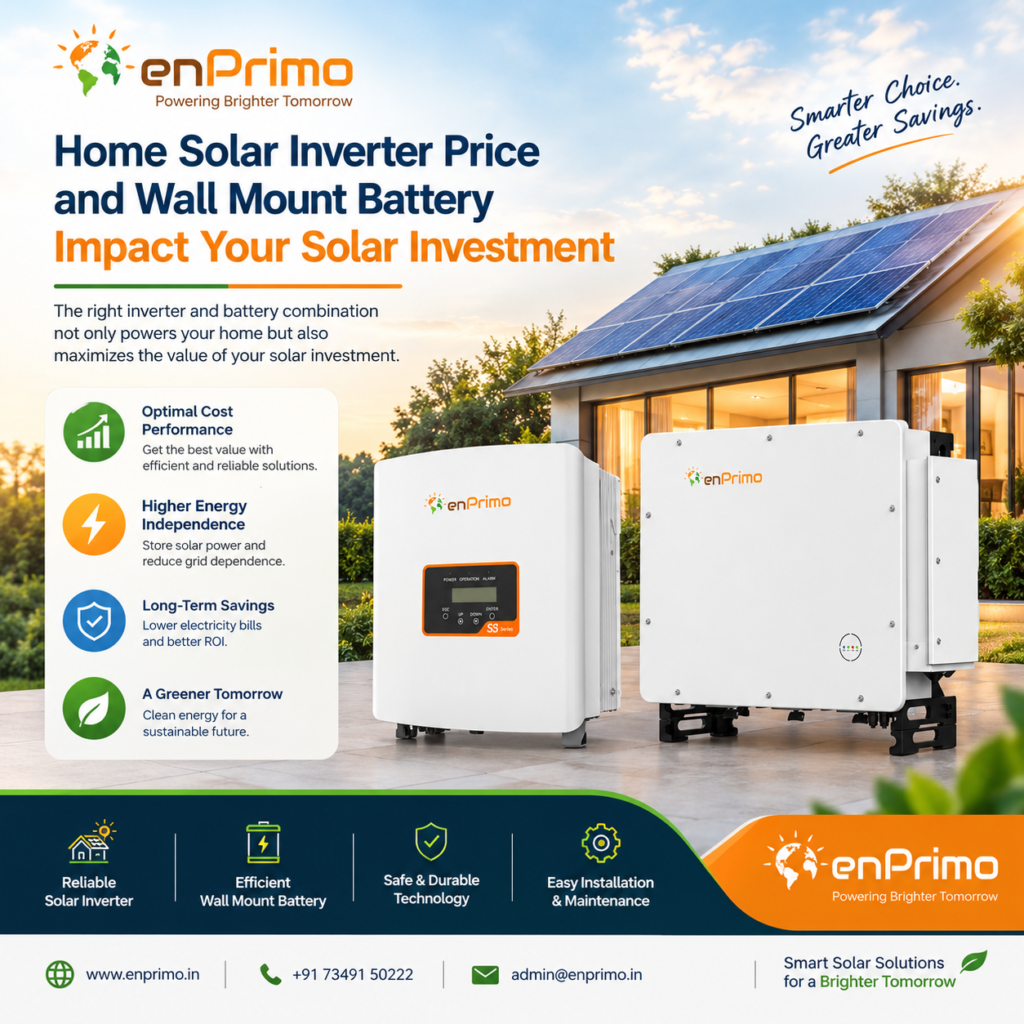
Solar power is no longer just for commercial and industrial scale applications. More and more, people are thinking of how to install solar for their homes in order to reduce their electricity bills, to use clean energy, and to have control over their home’s power supply.
However, installation of solar panels is just one step.
The solar inverter and battery you will choose can have a significant impact on how your complete system performs. This is why many homeowners are looking for Home Solar Inverter Price and the right Wall Mount Battery before they finalize their choice.
A solar system should not only be efficient, but also reliable, user-friendly, safe, and able to meet future electricity demands.
How then do you go about making the right choice for your solar inverter and battery, without simply going for the cheapest products available?
Let’s make this simple.
Why Your Solar Inverter Matters
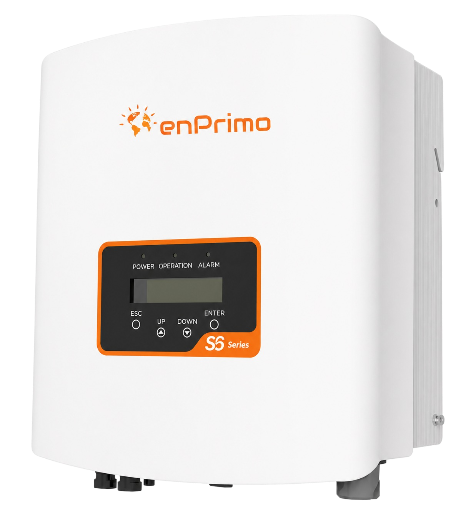
Solar panels typically produce electric energy in DC (direct current) form, but most home appliances run on AC (alternating current). The solar inverter is responsible for converting the electricity to the right format. However, modern day solar inverters can do a lot more. Depending on which type of solar inverter you choose, the device can help you manage solar generation, home load, battery charge, grid connection, and even backup power.
This means that the solar inverter is one of the most important components of a home solar system.
Now, when people look for Home Solar Inverter Price, the comparison is usually made on the initial cost. However, this is not a good way to compare the products. Instead, consider: “What value will this solar inverter bring?”
What Affects Home Solar Inverter Price?
There are a number of factors that influence the final price of a home solar inverter.
1. Capacity
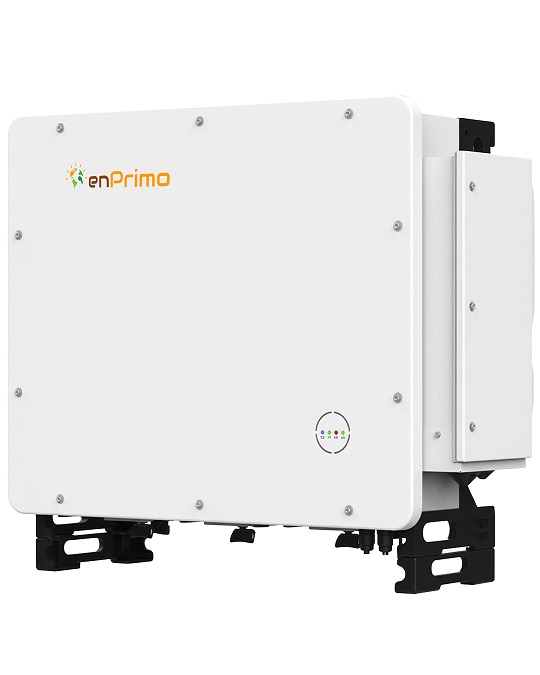
The most obvious consideration is the capacity of the solar inverter. Small homes with low electricity consumption may need 3 kW solar inverters, but larger homes may require 5 kW, 8 kW, 10 kW or even higher capacity.
What determines how much energy you will need is your solar PV capacity and your electricity consumption. You will also need to consider the home appliances you intend to power with your solar system.
2. Type of Solar Inverter
There are different types and categories of solar inverters. For example, on-grid inverters are designed for use with solar PV and the electricity grid, while hybrid inverters are compatible with solar PV and battery storage.
If you know that you will need backup power in the future, it is always a good idea to choose a hybrid inverter and battery. This way, you have the option to upgrade your existing solar system at a later time.
3. Efficiency
Efficiency simply means how much of the electricity generated by your solar panels can be converted by the solar inverter. An efficient system will ensure you get the most value from your solar panels. However, you should not judge a solar inverter by its efficiency alone. Other factors such as solar panel performance, installation, temperature, shade, cable connections and load management can also impact the overall performance of the inverter.
4. Smart Monitoring
Modern solar systems should have smart monitoring capabilities. With smart monitoring, you can keep track of solar production, energy consumption, battery performance, and other key factors using a display or mobile application.
5. Warranty, Installation and Support
Solar inverters are a long term investment, and you should know everything about the warranty, support and installation before you purchase anything. A good warranty, exceptional support and professional installation can provide excellent value for your solar system, even if the initial Home Solar Inverter Price is higher.
Why Add a Wall Mount Battery to Your Solar System?
We all know that the sun only shines for part of the day, but some people forget that the electricity we consume is mostly used in the evenings. For example, your solar panels may generate more electricity at noon, but your home may consume more energy in the evenings, when everyone gets back from work or school.
This is where a Wall Mount Battery can help.
Your solar inverter will only be able to use the electricity that you are currently consuming. With a Wall Mount Battery, you can save the electricity you are not using and use it at a later time (depending on the system design).
What Is a Wall Mount Battery?
A Wall Mount Battery is a home energy storage battery that is mounted vertically (or placed on a surface).
The battery can be a good choice of energy storage for homes where floor space is limited, because the device takes up minimal room.
- A good Wall Mount Battery should offer:
- Space-saving installation
- Clean and organized setup
- Easy integration with compatible hybrid inverters
- Battery backup for selected loads
- Scalable storage options
- Convenient monitoring
- Modern and compact design
But you should not choose a battery based only on how much it looks like. The Wall Mount Battery should be compatible with your solar inverter, satisfy your electricity storage needs, and offer you backup for your priority appliances.
Choosing a Wall Mount Battery depends on a few important considerations.
1. Check the Battery Capacity
Battery capacity is typically stated in kWh. For example, a 5.12 kWh battery has a larger capacity than a 3.2 kWh battery. However, bigger is not always better. So ask yourself: “What do I really want to run?”
- You may wish to back up your:
- Lights
- Fans
- Refrigerator
- Wi-Fi
- Security systems
- Computers
- Television
- Selected essential appliances
You may need to prioritize your essential appliances and avoid getting a battery you will never use. This will ensure you get the most value for your investment.
2. Look at the Usable Capacity
The actual battery capacity and the usable capacity should not be compared directly. Always check the battery’s usable capacity and depth of discharge (DoD) as stated by the manufacturer.
3. Consider Battery Technology
Today, most home energy storage systems use lithium-ion battery technology. Lithium Iron Phosphate (LFP), is one technology that is used in energy storage. When comparing different batteries, it is not enough to simply compare the chemistry. You will also need to consider cycle life, safety, warranty, operating temperature range, and compatibility with your inverter.
4. Check the Battery Management System
Every modern battery storage system should be equipped with a Battery Management System (BMS).
The BMS is a safety feature that helps monitor and manage the battery. It can also offer advanced features such as cell balancing and temperature monitoring so that the battery can operate within its designed limits.
5. Make Sure the Inverter and Battery Work Together
Most importantly, you need to make sure your inverter and battery are compatible. You cannot simply assume that the battery will work with a hybrid inverter. Before choosing a Wall Mount Battery, you need to check the battery voltage, communication protocol, charging specification, discharging specification, supported inverters and installation requirements.
A good match can make it much easier to manage your solar-plus-storage system.
Should You Choose the Cheapest Home Solar Inverter?
Not necessarily.
Imagine looking at two solar inverters. The first inverter is cheaper, but it lacks smart monitoring, and customer support is not as good. The second inverter is a little more expensive but it offers excellent monitoring capabilities, advanced compatibility, a good warranty, and exceptional customer support. Which of the two solar inverters is actually cheaper? This is why Home Solar Inverter Price should always be compared with value for money.
When considering value for money, you should always think about:
Price + Efficiency + Warranty + Features + Compatibility + Installation + Support
This will give you a much better indication of the actual value of the product.
How a Battery Can Improve Solar Usage
The addition of a battery to your solar system can help you improve your solar electricity usage in several ways. For example:
- During the day:
- Solar Panels → Solar Inverter → Home
- If there is spare electricity:
- Extra Solar Energy → Battery
- During the evening:
- Battery → Inverter → Home
This means that you can use the electricity you would have wasted during the day. Of course, the amount of energy you save depends on your electricity consumption, solar generation, battery capacity, and electricity tariffs.
enPrimo: Bringing Solar and Storage Together
For homeowners thinking about residential energy storage, enPrimo offers LFP battery solutions that are compatible with modern day hybrid solar inverters.
enPrimo residential battery solutions can offer you features such as:
LiFePO₄/LFP battery technology
Built-in Battery Management System
High cycle-life
Modular and scalable design
Wall-mounted battery options
Battery protection features
Monitoring and communication
Compatibility with selected Solis hybrid inverter systems
For example, enPrimo can offer residential solutions like a 5.12 kWh wall-mounted battery.
The important thing is that you will not be choosing the battery on its own. Instead, you should think about how to integrate the battery into the complete system, so that the inverter, solar panels and home loads work together as one.
Think About Your Future Electricity Needs
Your electricity needs today may change in five years’ time. Perhaps you will want to buy an electric car, add more air conditioning, or install a new induction cooker. New appliances can increase your electricity consumption, and more electricity means you will need to install a bigger solar system.
Planning for the future can help you choose the best battery for your home solar system.
In particular, a modular Wall Mount Battery can be a good choice if you wish to scale your battery storage later on (provided that the system allows).
5 Common Mistakes Homeowners Should Avoid
1. Choosing a product on price alone
The cheapest product is not always the best option. Always remember that you are buying a complete package.
2. Buying more battery than you need
Having a battery with a larger capacity may seem like a good idea, but it will be a waste of money if you simply do not have enough electricity to use.
3. Forgetting to check compatibility
Make sure the battery and inverter are designed to communicate with each other.
4. Forgetting to think about installation
The location, accessibility, ventilation, cabling, protection equipment and local electrical regulations can all affect the final cost and performance of your battery.
5. Not thinking about after-sales support
Solar is a long term investment, and you need to know who will be there to help you if you run into any issues.
How to Make a Smarter Solar Investment
Before you start shopping, you should think about how much electricity you use. Check your electricity bill to see how much electricity you consume each month and the time of consumption.
Then ask yourself the following questions:
How much solar power do I need?
Will I need a battery?
Can the system be expanded in the future?
Once you have all the answers, it will become much easier to compare Home Solar Inverter Price options and battery options. Instead of asking, “How much will it cost me?”, think about “What value will this system bring?”
Conclusion
There are many aspects to choosing a solar system for your home, and a good solar inverter and Wall Mount Battery can be a great way to begin. The right solar inverter can help you convert and manage solar energy, while a good Wall Mount Battery can store excess energy and provide backup for your home appliances when the system is designed to do so.
When comparing Home Solar Inverter Price, you should think about efficiency, capacity, monitoring, warranty, compatibility, installation, service, and future requirements. The same principles apply when looking at a battery.
Larger capacity and lower prices are not always the best options when looking at a solar system. Instead, choose the complete system that will be able to grow with your electricity needs.
With residential storage and battery solutions from enPrimo, including LFP battery storage and compatible solar systems, homeowners can take a step forward in smarter energy management.
Generate solar power. Store the energy you need. Get the electricity you need most.
Frequently Asked Questions
1. What is Home Solar Inverter Price based on?
The price depends on inverter capacity, technology, efficiency, features, warranty, brand, installation requirements, and battery compatibility.
2. Is a Wall Mount Battery necessary for a home solar system?
No. A battery is not essential for a solar installation. However, it can be a good option if you want to store solar energy, increase solar self-consumption, and have backup power for selected appliances.
3. How big should my Wall Mount Battery be?
It depends on your electricity consumption and which appliances you want to run from battery power. A professional system assessment can determine the right size capacity for your battery.
4. Can I use any battery with my solar inverter?
No. The battery and inverter must be compatible in terms of voltage, communication, charging, discharging, and system configuration.
5. Is LFP battery technology good for home energy storage?
LFP, or Lithium Iron Phosphate, is a popular battery chemistry for energy storage. When choosing such a battery, it is important to consider the BMS, cycle life, warranty, safety, operating conditions, and inverter compatibility.
6. What is the benefit of a wall-mounted battery?
A wall-mounted battery can save floor space and offer a clean and organized installation. It can also be considered for homes where space is limited.
7. Can a solar battery power my home at night?
Yes, a properly designed solar-plus-storage system can use stored energy at night. How long it lasts depends on the battery capacity and the amount of electricity your home is using.
8. Will a battery work during a power outage?
A battery can provide power during a power outage if the solar and storage system has been designed and configured for backup operation. The amount of backup power available depends on the system design and the selected loads.
9. Should I buy a cheaper solar inverter?
Price is important, but it should not be the only consideration. Always compare efficiency, warranty, monitoring, compatibility, service support, and long term value.
10. Why consider enPrimo for residential energy storage?
enPrimo can offer residential storage solutions in the form of LiFePO₄ battery storage and compatible solar systems. The company offers a variety of scalable and modular residential storage solutions that can meet a homeowner’s electricity storage and consumption needs.