
Imagine a vast solar farm stretching across the horizon, quietly turning sunlight into clean electricity that powers thousands of homes. At the heart of this magic? The utility scale solar inverter — often simply called a utility inverter. If you’re curious about big solar projects, thinking of investing, or just want to understand the future of green energy, this guide is for you.
We’ll explain everything in plain, easy-to-understand language — no heavy jargon. Let’s dive in and discover why these powerful machines are changing our world, one sunny day at a time.
What Exactly is a Utility Scale Solar Inverter?
Think of solar panels as the “collectors” that catch sunlight and turn it into direct current (DC) electricity. But our homes, factories, and the power grid all use alternating current (AC). That’s where a utility scale solar inverter comes in — it’s like a super-smart translator that converts DC into usable AC power.
These aren’t the small inverters you see on rooftops. Utility scale solar inverters are built for massive projects — starting from 1 megawatt (enough to power hundreds of homes) and going up to hundreds of megawatts. They handle enormous amounts of power reliably, day after day, while helping keep the entire electricity grid stable.
In short: They make large-scale solar possible. Without them, all that beautiful solar energy would be useless for the grid.
Why Do We Need Utility Inverters?
Solar energy is amazing — free, clean, and endless. But large solar farms face unique challenges: changing weather, distant grid connections, and the need for rock-solid reliability.
Modern utility inverters solve these problems beautifully. They don’t just convert power; they:
- Maximize energy output even on cloudy days
- Protect the grid during storms or fluctuations
- Work smoothly with giant battery systems for round-the-clock power
- Last for decades in harsh outdoor conditions
How Does a Utility Scale Solar Inverter Actually Work?
- Power Collection: Thousands of solar panels connect in long “strings.”
- Smart Optimization: The inverter constantly finds the “sweet spot” to pull maximum power from the panels (this is called MPPT).
- Conversion: It flips DC into AC using advanced electronics.
- Grid Connection: It syncs perfectly with the main power grid and even helps stabilize it.
- Monitoring: Smart software watches everything 24/7 so problems are caught early.
It’s like having a highly trained engineer watching over the entire solar farm — but inside a tough metal box!
Main Types of Utility Scale Inverters
There are two popular types used in big solar projects:
1. Central Inverters These are the big, powerful single units. One large inverter handles power from a huge section of the farm. Good for: Flat, open land with no shading. Advantages: Cheaper per unit of power, simpler to manage in one place. Drawback: If something goes wrong, a bigger part of the farm stops working.
2. String Inverters (The Rising Star) Smaller units spread across the farm — each handling its own group of panels. Good for: Uneven land, areas with some shading, or projects that might expand later. Advantages: If one unit has an issue, the rest keep working. Better overall energy production. More flexible and reliable.
Today, many developers prefer string inverters for large projects because they offer the best balance of performance and peace of mind.
Amazing Benefits of Using Utility Scale Solar Inverters
- More Electricity, Lower Costs: High efficiency (often 98-99%) means you get more power from the same panels — and better returns on investment.
- Grid-Friendly: They help prevent blackouts and support the grid like traditional power plants.
- Tough & Reliable: Built to survive rain, dust, heat, and cold for 20+ years.
- Smart & Future-Ready: Remote monitoring, automatic updates, and easy integration with batteries.
- Huge Environmental Wins: One big solar farm with quality inverters can cut thousands of tons of CO₂ every year.
For countries like India, these utility inverters are helping achieve energy independence while creating jobs and cleaner air.
Real-World Example: enPrimo Utility Inverters
If you’re looking for reliable options made for real-world conditions, check out enPrimo — a premium Indian brand focused on high-performance solar solutions.
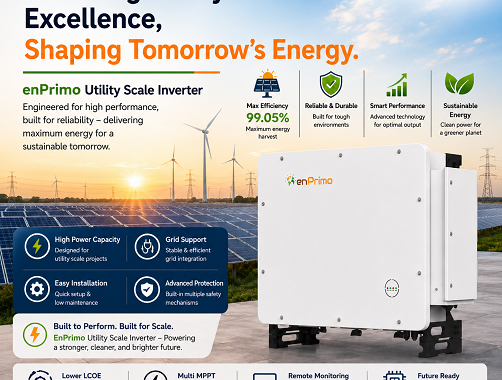
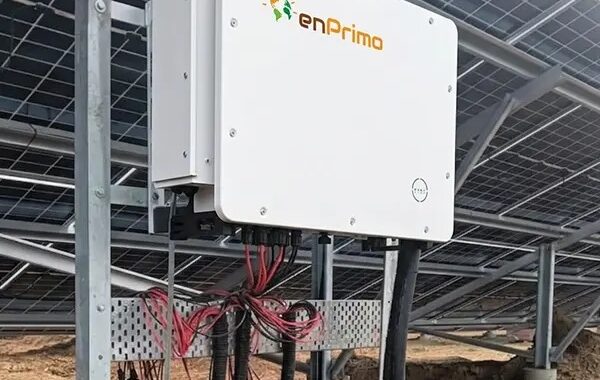
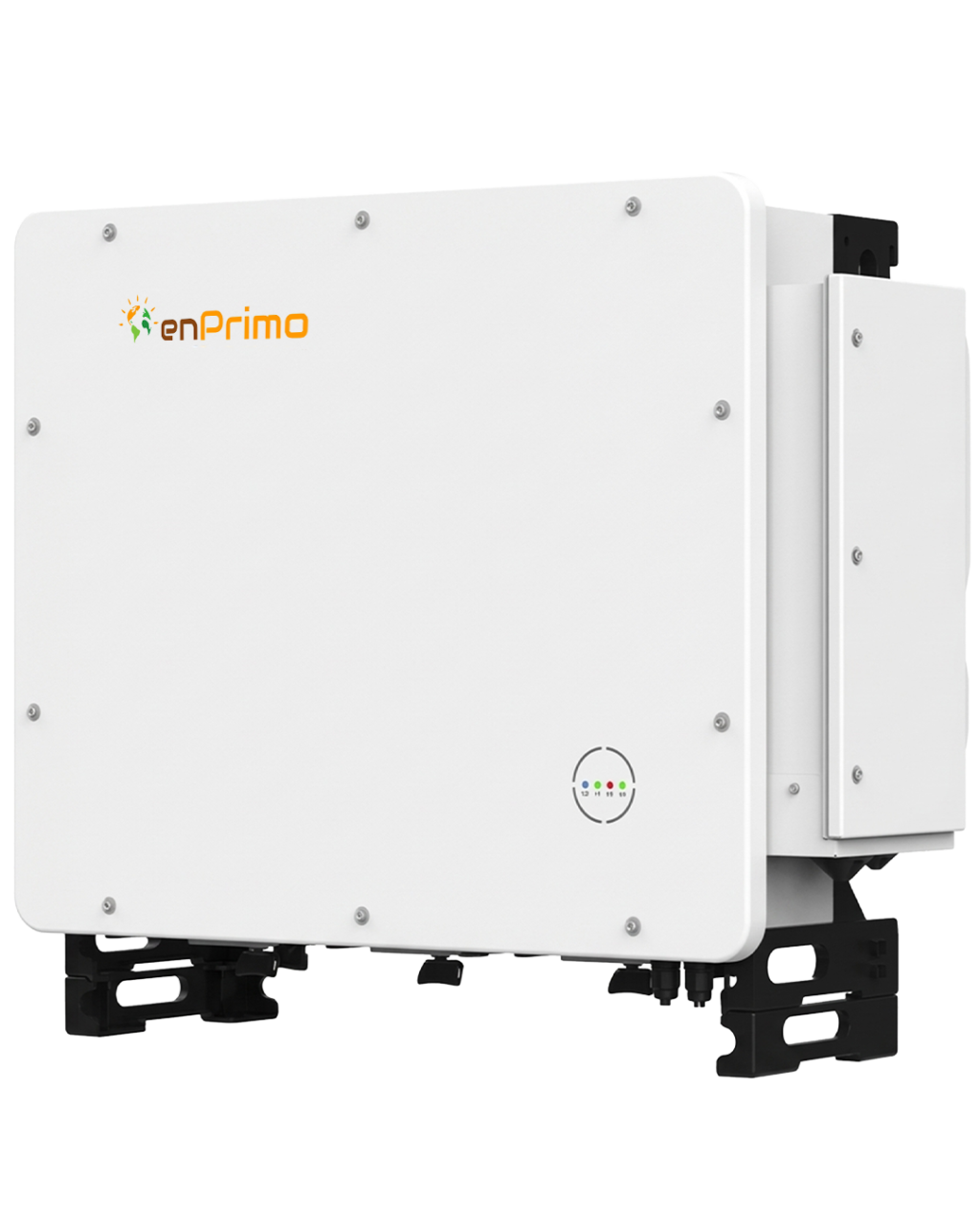
Their 350 kW Utility String Inverter is designed specifically for large solar projects:
- Handles high voltage (up to 1500V) for better efficiency
- Strong protection against dust and water (IP66 rating)
- Advanced grid features like LVRT and HVRT — meaning it stays online even when the grid has temporary problems
- Works well in hot Indian summers with smart temperature management
- Low power use at night and excellent monitoring tools
enPrimo inverters are built by people who understand Indian weather, grid conditions, and developer needs. They combine modern technology with strong local support — making them an attractive choice for utility-scale projects across the country.
Whether you’re building a new farm or upgrading an existing one, brands like enPrimo make going big with solar feel achievable and exciting.
Challenges You Should Know About
No technology is perfect. Here are a few things to keep in mind:
- Upfront Cost: Quality utility inverters are a big investment, but they pay back over time through higher energy production.
- Maintenance: Regular checks are important, though modern designs need less hands-on work.
- Site Conditions: Extreme heat, dust, or high altitudes require the right protection ratings.
- Grid Rules: Every country has strict standards — good inverters help you meet them easily.
The good news? With proper planning and the right partner, these challenges are very manageable.
The Bright Future of Utility Scale Solar
The solar industry is growing incredibly fast. In the coming years, expect:
- Even more powerful and compact inverters
- Better integration with battery storage for 24/7 clean power
- Artificial intelligence that predicts and prevents problems
- Inverters that actively strengthen the grid
Utility scale solar isn’t just about today — it’s about building a cleaner, more independent energy future for our children.
Conclusion: Ready to Harness the Sun?
A utility scale solar inverter is much more than a metal box. It’s the bridge between sunlight and the power that lights up our lives. Choosing the right utility inverter can make your solar project more successful, profitable, and reliable.
Whether you’re a developer, business owner, or someone who simply loves green energy, now is an exciting time to get involved. Companies like enPrimo are making advanced technology accessible and practical for large projects.
The sun is shining — let’s make the most of it!
Frequently Asked Questions (FAQs)
Q1: What is the main job of a utility scale solar inverter? It converts the DC power from solar panels into AC power that homes, industries, and the grid can actually use.
Q2: What’s the difference between central and string inverters? Central inverters are large single units. String inverters are smaller and spread out, offering better reliability and performance in many cases.
Q3: Are utility inverters good for India’s climate? Yes! Good ones (like enPrimo models) are built tough for heat, dust, and monsoon conditions.
Q4: How long do these inverters last? Most are designed for 20-25 years or more with proper care.
Q5: Why choose enPrimo utility inverters? They offer excellent performance, grid compliance, local support, and are made keeping Indian projects in mind.
Q6: Is utility scale solar a good investment? Yes — falling costs, government support, and rising electricity prices make it very attractive.